
What Homeowners Need to Know Before Starting a Project
For many homeowners, one of the most intimidating parts of preparing a home for sale is hiring and working with contractors.
Even relatively small projects — painting, repairs, flooring, or landscaping — require coordination, communication, and trust.
When handled well, contractors can move a project forward quickly and efficiently.
When handled poorly, projects can become delayed, over budget, and unnecessarily stressful.
The difference usually comes down to two things:
how the project is structured from the beginning — and how the relationship is managed throughout.
And here’s the honest part —
it’s hard to set expectations when you don’t even know what to expect.
I had to learn that the hard way.
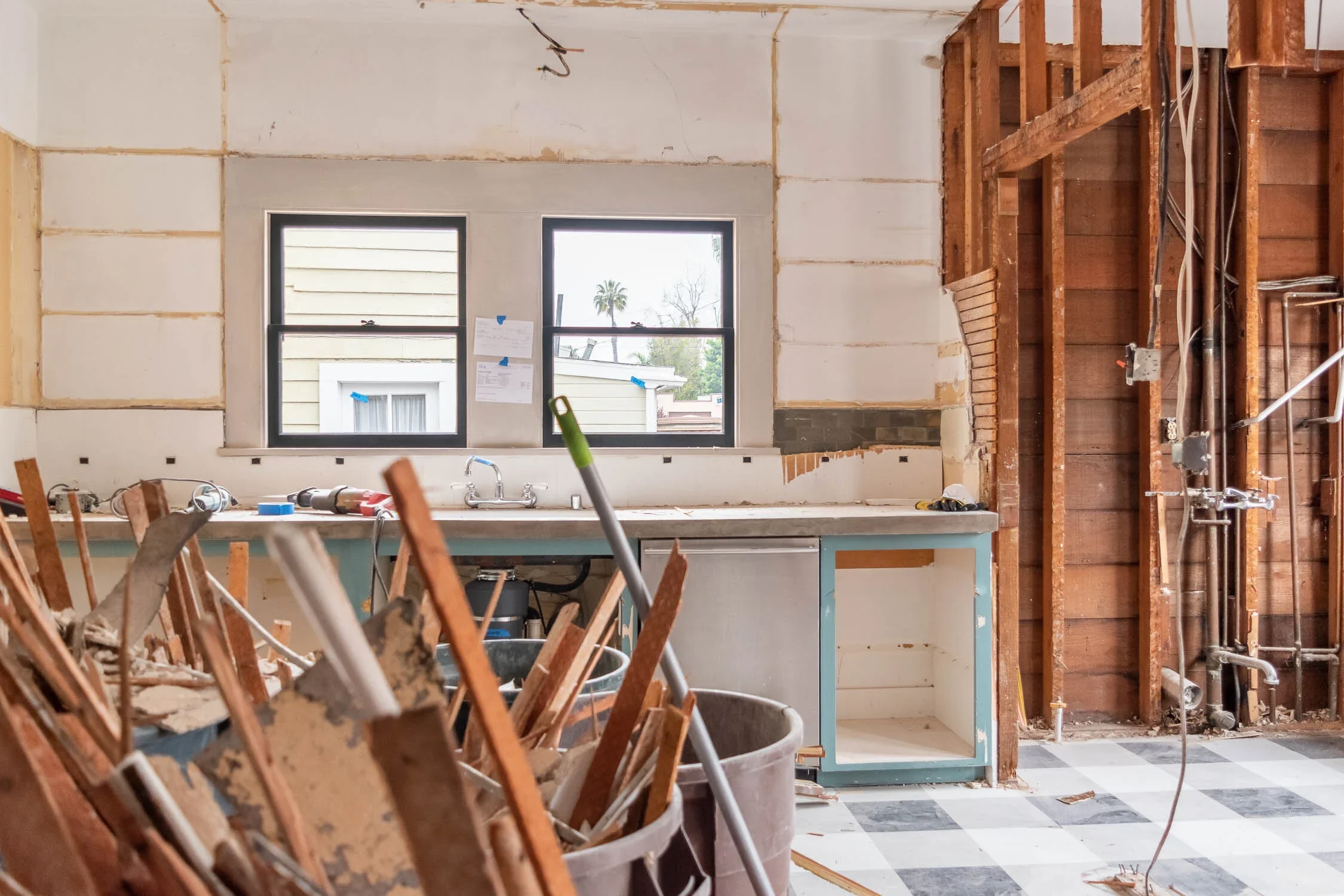
Expect Challenges — Don’t Panic
Construction is no joke.
No matter how well you plan, something will go wrong. Always.
Sometimes it’s small.
Sometimes it’s big.
But there will always be something.
And while that might sound intimidating, here’s what matters most:
there are always solutions.
Every project, no matter how experienced the team, will run into:
delays
mistakes
miscommunication
unexpected issues behind walls or under floors
This isn’t a sign that your project is failing — it’s simply part of the process.
The homeowners who have the best outcomes aren’t the ones who avoid problems.
They’re the ones who know how to respond when they happen.
Treat Your Contractor Like a Teammate — Not an Opponent
One of the biggest mistakes homeowners make is turning the project into a tense, adversarial environment.
Instead, treat your contractor and trades like a team.
Yes — you are technically the client.
But that doesn’t mean managing through pressure or control will get you a better result.
At the end of the day, contractors are business owners too.
And just like anyone else, they don’t perform their best when they feel micromanaged or “bossed around.”
Clear communication, mutual respect, and a collaborative mindset will always get you further than control.
Be clear.
Be respectful.
Be reasonable.
There will be moments of frustration — that’s normal. But how you handle those moments will directly impact how your project unfolds.
It’s also important to recognize that this dynamic goes both ways.
Just like homeowners have had bad experiences with contractors, contractors have had difficult experiences with homeowners — unclear expectations, constant changes, unrealistic demands.
Everyone walks into a project with some level of history — and sometimes, that includes frustration or bias.
There are incredible contractors out there.
And there are not-so-great ones.
The same is true for homeowners.
Keeping that perspective creates a more balanced, productive working relationship from the start.
And honestly — something as simple as bringing coffee or lunch once in a while can go a long way. It builds goodwill, and goodwill matters more than people think.

Set Expectations Early (This Prevents Most Problems)
Before work begins, make sure you and your contractor are aligned on:
scope of work
timeline (ask them to give you one so that you have something to start with)
materials (who is buying them, is there a designer?)
payment structure (keep reading for advice on this)
Most issues don’t come from bad intentions — they come from unclear expectations.
Clarity upfront saves time, money, and frustration later.
Stay Involved — But Don’t Micromanage
Once the project is underway, stay engaged — but avoid hovering.
Constantly questioning every step, pointing out every minor detail mid-process, or trying to control how work is being done can slow progress and create tension.
Think of it like interrupting a movie every five minutes — most of your questions would be answered if you just let it play out.
You hired a professional for a reason. Give them the space to do their job.
Use the “Blue Tape” Method at the End
Instead of reacting to every detail along the way, evaluate the work toward the end.
A simple and effective approach is what I call a “blue tape walkthrough.”
Near completion, walk the property and mark any areas that need attention using blue painter’s tape:
touch-ups
imperfections
anything that doesn’t meet expectations
This creates a clear, organized punch list and allows the contractor to efficiently address everything at once.
Structure Payments Strategically
How you pay your contractor matters.
A typical structure includes:
an initial deposit
progress payments
a final payment upon completion
One important rule:
do not release the final payment until the work is fully completed to your satisfaction.
This keeps everyone aligned and ensures the final details are properly handled.
Final Thought
The goal isn’t to have a perfect, problem-free project.
The goal is to navigate the process well.
If you go into it with clear expectations, strong communication, and a team mindset, you’ll not only get a better result — you’ll have a much better experience getting there.